What I Ate — and Avoided — to Heal After Baby
Bringing a baby into the world is beautiful, but healing afterward? That’s a whole different journey. I quickly learned that what I put on my plate was just as important as rest. Some foods made me feel stronger, while others slowed my recovery. This is my honest look at postpartum eating — not a strict diet, but real choices that helped me feel like myself again, one meal at a time. In those early weeks, when every movement felt like a challenge and sleep was measured in fragments, I began to notice a pattern: the foods I chose either lifted me up or pulled me down. What I ate didn’t just affect my energy — it shaped my mood, my recovery, and even my ability to care for my newborn. Slowly, I realized that nourishment was not a luxury. It was a necessity.
The Hidden Challenge of Postpartum Recovery
After childbirth, the body undergoes one of the most intense physical transitions a woman will ever experience. Yet, many women are unprepared for how long and layered the recovery process truly is. While medical checkups often focus on healing stitches or monitoring blood pressure, the deeper, ongoing work — tissue regeneration, hormonal recalibration, and immune system recovery — happens silently, day by day. One of the most underestimated tools in this process is nutrition. What you eat during the postpartum period directly influences how quickly and fully your body can restore itself.
Common misconceptions often stand in the way of optimal healing. One of the most persistent myths is that new mothers should continue “eating for two.” In reality, while nutritional needs do increase — especially if breastfeeding — the focus should shift from quantity to quality. The body does not need double portions; it needs nutrient-dense foods that support repair and energy. Another widespread assumption is that convenience foods are acceptable compromises during sleepless nights. While grab-and-go snacks may seem practical, many are loaded with refined sugars, unhealthy fats, and artificial ingredients that do more harm than good in the long run.
Equally important is understanding that postpartum fatigue is not just about lack of sleep. It is often compounded by nutritional deficiencies — particularly in iron, B vitamins, and protein — that go unnoticed in the whirlwind of newborn care. When energy is low, the instinct might be to reach for quick fixes like sugary snacks or energy drinks. But these lead to blood sugar spikes and crashes, worsening mood swings and exhaustion. Healing requires sustained energy, not temporary bursts. By recognizing that food plays a central role in recovery, women can make intentional choices that support their bodies during this delicate phase.
Why Food Becomes Your First Line of Support
In the weeks after giving birth, the body is engaged in a quiet but powerful act of repair. It is rebuilding uterine tissue, restoring blood volume, and stabilizing hormone levels — all while adapting to the demands of newborn care. During this time, food is not just fuel; it is medicine. The right nutrients can reduce inflammation, support hormone balance, and strengthen the immune system. Without them, the healing process slows, and the risk of prolonged fatigue, mood imbalances, and weakened immunity increases.
Take iron, for example. Blood loss during childbirth is common, and many women enter the postpartum period with lower iron stores. Iron is essential for producing hemoglobin, the protein in red blood cells that carries oxygen throughout the body. When iron levels drop, fatigue, dizziness, and difficulty concentrating can follow. Eating iron-rich foods — such as lean red meat, lentils, spinach, and fortified grains — helps replenish these stores naturally. Pairing them with vitamin C-rich foods like bell peppers or citrus enhances absorption, making meals more effective.
Protein is another cornerstone of recovery. It provides the amino acids needed to rebuild muscle and tissue, including the uterine lining and perineal area if there was tearing or an episiotomy. It also supports milk production for breastfeeding mothers. Including a source of protein in every meal — whether eggs, Greek yogurt, tofu, or chicken — helps maintain steady energy and prevents the hunger crashes that lead to poor food choices.
Healthy fats, particularly omega-3 fatty acids, play a vital role in brain health and mood regulation. Found in fatty fish like salmon, walnuts, chia seeds, and flaxseeds, these fats support the nervous system and may help reduce the risk of mood imbalances common in the postpartum period. Meanwhile, complex carbohydrates from whole grains, sweet potatoes, and legumes provide a slow, steady release of glucose, keeping energy levels stable and supporting mental clarity. When viewed through this lens, food is not about indulgence or restriction — it is about giving the body what it needs to heal from the inside out.
The Top Foods to Gently Avoid (And Why)
Just as certain foods support healing, others can unknowingly hinder it. While no food needs to be banned outright — especially during a time when emotional comfort matters — being aware of which items may slow recovery allows for more thoughtful choices. Highly processed sugars, for instance, are one of the most common postpartum pitfalls. Found in cookies, pastries, sugary cereals, and even flavored yogurts, these foods cause rapid spikes in blood sugar followed by sharp drops. This rollercoaster effect can worsen mood swings, increase irritability, and leave a new mother feeling more drained than before.
Excessive caffeine is another area worth reevaluating. Many women turn to coffee or energy drinks to cope with sleep deprivation, but high intake can have unintended consequences. Caffeine is a stimulant that can interfere with restful sleep — not just for the mother, but for the baby as well. When breastfeeding, small amounts of caffeine pass into breast milk and may cause fussiness or disrupted sleep patterns in infants. While moderate consumption — such as one cup of coffee in the morning — is generally considered safe, relying on multiple cups throughout the day can lead to dependency and worsen anxiety or jitteriness.
Alcohol is another substance that many women may consider as a way to relax after a long day. However, it offers no nutritional benefit and can interfere with the body’s healing processes. Alcohol affects liver function, slows tissue repair, and may disrupt sleep quality, even if it initially makes you feel drowsy. For breastfeeding mothers, alcohol also requires careful timing, as it passes into breast milk and must be cleared from the system before nursing. Rather than seeing alcohol as a necessary escape, many women find that replacing it with calming herbal teas or warm milk with honey provides a gentler, more supportive way to unwind.
Inflammatory oils, such as those found in many fried and packaged foods — like soybean, corn, and sunflower oils — can also contribute to fatigue and joint discomfort. These oils are high in omega-6 fatty acids, which, when consumed in excess and without balancing omega-3s, can promote inflammation in the body. Choosing anti-inflammatory fats like olive oil, avocado oil, or butter from grass-fed sources supports healing and overall well-being. The goal is not perfection, but awareness — recognizing that small shifts in food choices can lead to meaningful improvements in how you feel.
Sneaky Ingredients That Slow Healing
Beyond the obvious culprits, there are less visible ingredients in everyday foods that can quietly undermine recovery. Artificial sweeteners, often found in diet sodas, sugar-free snacks, and flavored waters, are marketed as healthy alternatives but may disrupt gut health. Emerging research suggests that these substances can alter the balance of beneficial bacteria in the digestive tract — a system that plays a crucial role in immunity, nutrient absorption, and even mood regulation. For a new mother already navigating hormonal shifts, an imbalanced gut can contribute to bloating, fatigue, and low mood.
Refined carbohydrates are another hidden challenge. White bread, white rice, pastries, and many breakfast cereals are stripped of fiber and nutrients during processing. They break down quickly into sugar in the bloodstream, leading to the same energy crashes associated with sugary snacks. A mid-afternoon slump after a sandwich on white bread is not just about being tired — it may be a sign that your body is struggling with unstable blood sugar. Switching to whole grain versions — such as whole wheat bread, brown rice, or oats — provides sustained energy and supports digestive health.
Ultra-processed snacks — including chips, frozen meals, and packaged desserts — often contain a cocktail of preservatives, sodium, and unhealthy fats. While they may seem like a time-saver, these foods lack the nutrients the body needs to heal. High sodium levels can contribute to water retention and bloating, which many women already experience postpartum. Additionally, the lack of fiber in these foods can lead to constipation, a common issue after childbirth due to hormonal changes and reduced activity.
Instead of reaching for these convenience items, consider whole food alternatives. A piece of fruit with nut butter, a small handful of nuts, or a boiled egg with a slice of whole grain toast offers real nourishment without the crash. Reading labels can also help identify hidden sugars and unhealthy additives. Words like “high fructose corn syrup,” “hydrogenated oils,” or “artificial flavors” are red flags. By becoming more aware of what’s in your food, you can make choices that support healing rather than slow it down.
Building a Nourishing Plate: What to Embrace Instead
Now that we’ve looked at what to minimize, let’s focus on what to welcome. A healing postpartum diet is built on whole, recognizable foods that provide a broad spectrum of nutrients. The foundation of each meal should include a balance of protein, complex carbohydrates, healthy fats, and colorful vegetables. This combination supports energy, digestion, hormone balance, and emotional well-being.
Lean proteins like chicken, turkey, fish, eggs, beans, and lentils are essential. They supply amino acids that repair tissues and support milk production. A simple lentil soup with carrots, celery, and tomatoes is not only easy to prepare in large batches but also rich in iron, fiber, and antioxidants. Adding a squeeze of lemon juice boosts iron absorption, making it even more effective.
Leafy greens — such as spinach, kale, and Swiss chard — are nutritional powerhouses. They are high in iron, calcium, folate, and magnesium, all of which support recovery. Magnesium, in particular, plays a role in muscle relaxation and sleep quality, which can be especially helpful during restless nights. Sautéing greens in olive oil with garlic not only enhances flavor but also increases the absorption of fat-soluble vitamins like vitamin K.
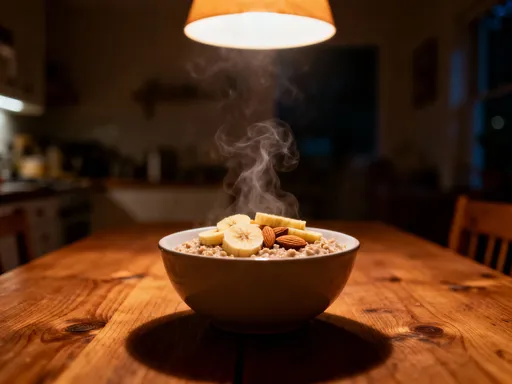
Complex carbohydrates from sweet potatoes, quinoa, oats, and brown rice provide lasting energy. Unlike refined grains, they contain fiber that supports gut health and prevents blood sugar spikes. Oats, in particular, are a postpartum favorite — not only for their fiber content but also because some studies suggest they may support milk supply in breastfeeding mothers.
Healthy fats should not be feared. Avocados, nuts, seeds, olive oil, and fatty fish all contribute to hormone production and brain health. A handful of walnuts or a quarter of an avocado added to a salad can make a meal more satisfying and supportive of long-term energy. Even full-fat dairy, such as plain Greek yogurt or cottage cheese, can be beneficial when consumed in moderation, providing protein, calcium, and probiotics that support digestion.
The goal is not to follow a rigid meal plan but to build a plate that feels good and supports healing. There is room for flexibility — a piece of dark chocolate, a small serving of ice cream, or a homemade muffin can be part of a balanced approach. What matters most is the overall pattern: choosing whole foods most of the time, listening to your body, and making space for both nourishment and comfort.
Simple Strategies for Real-Life Mamas
Knowing what to eat is one thing — actually doing it in the chaos of newborn life is another. The reality is that cooking elaborate meals is often impossible when you’re up every few hours, recovering physically, and adjusting emotionally. That’s why practical, low-effort strategies are essential. The key is preparation, simplicity, and grace.
Batch cooking is one of the most effective tools. On days when energy allows, preparing large portions of soups, stews, or casseroles and freezing them in individual containers ensures that nourishing meals are always within reach. A container of vegetable and chicken soup or a lentil and rice casserole can be warmed up in minutes, saving time and mental energy.
Smart snacking is equally important. Keeping nutrient-dense snacks within arm’s reach — such as hard-boiled eggs, sliced apples with almond butter, trail mix, or cheese sticks — prevents the temptation to grab whatever is quickest, which is often less healthy. Placing a small cooler or basket near the nursing chair or couch can make healthy choices more accessible during late-night feedings or quiet moments.
Hydration is another pillar of recovery that is often overlooked. Water supports milk production, digestion, and energy levels. Yet, many women forget to drink enough, especially when focused on the baby’s needs. A simple hack is to keep a large water bottle or pitcher nearby and refill it each time you feed or pump. Adding slices of lemon, cucumber, or berries can make it more appealing. Herbal teas like chamomile, ginger, or rooibos are also excellent choices — soothing, caffeine-free, and supportive of relaxation and digestion.
Involving family members or support persons in meal prep can make a significant difference. Even small tasks — washing vegetables, stirring a pot, or setting the table — lighten the load. Accepting meals from friends or participating in a meal train during the first few weeks can provide much-needed relief. The message is clear: you don’t have to do it all. Prioritizing nourishment is an act of care for both you and your baby, and it’s okay to ask for help.
Listening to Your Body: The Real Guide
No two postpartum journeys are the same. What works for one woman may not work for another, and that’s okay. The most important tool in postpartum nutrition is not a meal plan or a list of superfoods — it’s your body’s own signals. Learning to listen to hunger cues, energy levels, digestion, and mood can guide you toward what you truly need in each phase of recovery.
Some days, you may crave more carbohydrates — perhaps your body is using extra energy to heal or produce milk. Other days, you may feel drawn to lighter, vegetable-rich meals as your digestion adjusts. Cravings are not always indulgences; they can be messages. The key is to respond with kindness, not judgment. If you eat something that doesn’t make you feel good, it doesn’t mean you’ve failed — it means you’ve learned something about your body.
Healing is not linear. There will be good days and hard days. Some meals will be nourishing; others may be eaten quickly off a napkin. Progress, not perfection, is the goal. What matters is the overall pattern of care — choosing whole foods when possible, staying hydrated, and giving yourself permission to rest.
Finally, it’s important to remember that professional guidance is valuable. If you’re struggling with fatigue, mood changes, or digestive issues, talking to a healthcare provider or a registered dietitian can offer personalized support. They can help identify potential deficiencies, suggest appropriate supplements if needed, and provide reassurance during a vulnerable time.
Postpartum nutrition is not about rules, restrictions, or guilt. It’s about building a gentle, supportive relationship with food — one that honors your body’s strength, its needs, and its journey back to balance. By choosing foods that heal, avoiding those that hinder, and listening to your inner wisdom, you create a foundation not just for recovery, but for lasting well-being.