What I Learned Fixing My Hair—The Recovery Habits No One Talks About
Losing hair or dealing with scalp issues can feel overwhelming, especially when quick fixes fail. I’ve been there—trying everything, only to make things worse. What changed? A recovery-focused routine based on science, patience, and avoiding common mistakes. This isn’t about miracles, but real habits that support hair health from within. If you're struggling, you're not alone—and there’s a smarter way forward.
The Hidden Damage: How We Accidentally Harm Our Hair
Every day, countless women unknowingly contribute to hair damage through routines they believe are beneficial. Frequent shampooing, especially with harsh detergents, strips the scalp of its natural oils, disrupting the protective lipid barrier. This imbalance can lead to increased dryness, flaking, and irritation—conditions that compromise the environment where hair grows. Over time, this creates a cycle of inflammation, where the scalp becomes reactive, and hair follicles are exposed to chronic stress.
Heat styling tools such as flat irons, curling wands, and blow dryers are common culprits. When used daily at high temperatures, they cause structural damage to the hair shaft by breaking down keratin proteins and weakening the cuticle. This results in split ends, brittleness, and breakage that starts mid-shaft, often mistaken for shedding at the root. The cumulative effect mimics physical trauma, signaling the body to divert resources away from growth and toward repair—slowing down the entire recovery process.
Tight hairstyles like high ponytails, braids, and buns also play a significant role in long-term damage. These styles exert constant tension on the hair follicles, particularly along the hairline and temples. This condition, known as traction alopecia, develops gradually but can lead to permanent thinning if not addressed. The follicles, under persistent strain, become inflamed and may eventually cease producing new hair. Even accessories like tight headbands or clips can contribute to localized stress when worn daily.
Additionally, environmental aggressors—such as UV exposure, pollution, and hard water—further compromise hair integrity. Sunlight degrades melanin and weakens proteins in the hair, while airborne pollutants settle on the scalp and create oxidative stress. Hard water, rich in minerals like calcium and magnesium, leaves deposits that coat the hair, making it dull, rough, and less responsive to treatments. These factors, though subtle, collectively impair the scalp’s ability to maintain a healthy foundation for hair growth.
Why "Recovery" Matters More Than "Growth"
The pursuit of faster hair growth often overshadows a more critical goal: recovery. Many women focus on length, measuring progress in inches, while overlooking the condition of the hair and scalp beneath. True improvement begins not with acceleration, but with healing. When hair is damaged or shedding is excessive, the biological priority should be restoring balance—not stimulating new strands prematurely. Treating hair as recovering tissue, much like skin after a burn or cut, leads to more sustainable outcomes.
The hair growth cycle consists of three main phases: anagen (growth), catagen (transition), and telogen (resting). During the anagen phase, which can last between two to seven years, hair actively grows from the follicle. The catagen phase is brief, lasting about two to three weeks, during which growth stops and the follicle shrinks. Finally, the telogen phase, which lasts around three months, allows the hair to rest before naturally shedding and making way for new growth. On average, about 10% of scalp hairs are in this resting phase at any time.
Chronic stress—whether physical, hormonal, or emotional—can disrupt this cycle by shortening the anagen phase and pushing more hairs into telogen prematurely. This condition, known as telogen effluvium, often follows events like illness, rapid weight loss, or significant life changes. It results in noticeable shedding several months later, catching many women off guard. The key to recovery lies not in boosting growth, but in stabilizing the cycle and allowing the follicles adequate time to return to normal function.
Recovery-focused care means reducing additional stressors while supporting the body’s natural repair mechanisms. This includes minimizing manipulation, avoiding chemical treatments, and ensuring adequate nutrition. By creating a supportive environment, the scalp can regain its equilibrium, and follicles can re-enter the growth phase with stronger, healthier strands. Patience is essential; rushing the process with aggressive treatments often backfires, prolonging the recovery timeline rather than shortening it.
Scalp First: Building a Foundation for Regrowth
No amount of conditioning or supplements can compensate for a compromised scalp. It is the soil from which hair grows, and like any garden, its health determines the quality of what emerges. Assessing scalp condition is the first step toward meaningful improvement. Common signs of imbalance include persistent dryness, flaking similar to dandruff, redness, itching, or excessive oiliness. Each of these symptoms points to underlying issues that must be addressed before any regrowth efforts can succeed.
Gentle cleansing is foundational. Many commercial shampoos contain sulfates and alcohols that strip moisture and disrupt the scalp’s pH, which ideally sits between 4.5 and 5.5. A balanced pH helps maintain the acid mantle—a protective layer that guards against bacteria and moisture loss. Switching to a sulfate-free, pH-balanced cleanser can reduce irritation and support a healthier microbial environment. For those with dry or sensitive scalps, co-washing—using a conditioner to cleanse—can be an effective alternative, especially between shampoo days.
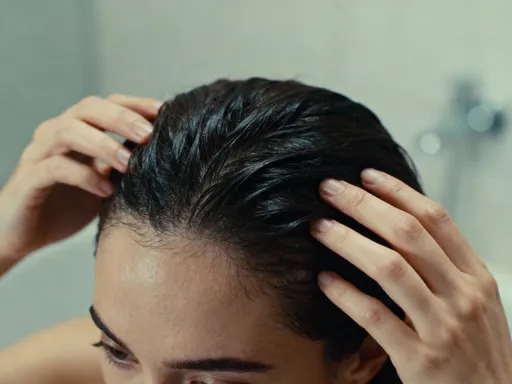
Scalp massage is another powerful yet underutilized tool. When performed correctly, it enhances blood circulation to the follicles, delivering oxygen and nutrients essential for repair. Studies suggest that consistent daily massage over several months can increase hair thickness by improving dermal blood flow. However, it’s important to avoid overstimulation. Aggressive scratching or using hard fingertips can cause micro-injuries, triggering inflammation. Instead, use the pads of the fingers in slow, circular motions for five to ten minutes daily, ideally on dry or slightly damp hair.
Exfoliation, when done carefully, can also support scalp health. Buildup from styling products, dead skin cells, and sebum can clog follicles and hinder growth. A mild physical or chemical exfoliant—used once a week—helps clear this debris without over-drying. Salicylic acid, for example, penetrates oil to dissolve blockages, while gentle scrubs with fine particles remove surface flakes. The goal is not deep stripping, but gentle renewal that allows the scalp to breathe and function optimally.
The Right Moves: Daily Habits That Support Healing
Healing hair is not about dramatic interventions, but consistent, protective habits woven into daily life. These small choices, repeated over time, create the conditions for recovery. One of the simplest yet most effective changes is switching to a soft-bristle brush. Hard bristles or plastic combs with sharp teeth can snag fragile strands, leading to breakage. A natural boar bristle brush, used gently from ends to roots, helps distribute scalp oils without causing friction or stress.
Reducing heat exposure is equally important. While it may be tempting to style hair daily, each use of a blow dryer or flat iron contributes to cumulative damage. When heat styling is necessary, using the lowest effective temperature and applying a heat protectant creates a barrier that minimizes protein degradation. Better still, allowing hair to air-dry whenever possible reduces structural stress and preserves moisture. Towel-drying habits also matter—rubbing hair vigorously with a cotton towel causes friction and cuticle damage. Switching to a microfiber towel or an old cotton t-shirt and gently squeezing out excess water is far gentler on strands.
Hairstyles should prioritize comfort and looseness. Tight elastics, especially those with metal clasps, create weak points where hair is prone to snapping. Replacing them with soft, spiral hair ties or fabric-covered bands reduces tension. Braids and buns, if worn, should be loose and rotated in placement to avoid consistent pressure on the same areas. Sleeping with hair down or in a loose braid helps prevent tangles and breakage caused by tossing and turning on rough pillowcases.
Sleeping on silk or satin pillowcases is a simple upgrade with measurable benefits. Unlike cotton, which absorbs moisture and creates friction, silk allows hair to glide smoothly, reducing frizz and breakage. This small change protects the hair’s cuticle overnight, preserving its integrity. Similarly, using a silk or satin sleep cap can offer additional protection, especially for those with textured or curly hair types that are more prone to dryness and tangling.
Nutrition as Therapy: What Fuels Hair Repair?
Hair is made primarily of keratin, a protein that requires consistent nutritional support to form and strengthen. While topical treatments address the surface, true repair happens from within. A balanced diet rich in specific nutrients lays the foundation for resilient, healthy hair. Protein is the cornerstone—without adequate intake, the body may slow hair production to conserve resources. Including high-quality protein sources like eggs, poultry, legumes, and Greek yogurt ensures a steady supply of amino acids needed for keratin synthesis.
Iron plays a critical role, particularly for women of reproductive age. Low iron stores, even without full-blown anemia, are linked to hair shedding. Iron supports red blood cells in carrying oxygen to the scalp and follicles. Plant-based sources like lentils, spinach, and fortified cereals can be effective, especially when paired with vitamin C-rich foods such as bell peppers or citrus, which enhance absorption. However, iron supplementation should only be considered under medical guidance, as excess iron can be harmful.
Zinc is another essential mineral involved in hair tissue growth and repair. It helps regulate the oil glands around follicles and supports immune function, which influences scalp health. Oysters, pumpkin seeds, chickpeas, and cashews are excellent dietary sources. Deficiency can lead to brittle hair and increased shedding, but over-supplementation may also cause hair loss, emphasizing the importance of balance through food rather than pills.
Biotin, often marketed as a hair growth supplement, does support keratin infrastructure, but most people get enough from their diet. Deficiency is rare and typically only occurs in specific medical conditions. Instead of relying on supplements, focusing on whole foods like eggs, nuts, sweet potatoes, and whole grains provides biotin along with other synergistic nutrients. Overall, a varied, colorful diet that includes vegetables, fruits, whole grains, lean proteins, and healthy fats offers the broad spectrum of vitamins and antioxidants needed for cellular repair and inflammation control.
When to Pause: Recognizing Over-Treatment Traps
In the quest for faster results, many women fall into the trap of over-treating their hair. The belief that “more is better” leads to layering multiple oils, serums, scalp treatments, and DIY masks—sometimes daily. While these products often contain beneficial ingredients, excessive use can overwhelm the scalp, clog follicles, and disrupt natural oil production. The result is not improvement, but increased shedding, greasiness, and irritation—signs the scalp is under stress.
One common example is the overuse of coconut or castor oil. These oils can moisturize and strengthen hair when used appropriately, but when applied too frequently or in large amounts, they build up on the scalp, preventing proper airflow and trapping debris. This environment can promote fungal growth or exacerbate conditions like seborrheic dermatitis. Similarly, essential oils like rosemary or peppermint, while studied for potential circulation benefits, can cause allergic reactions or chemical burns when used undiluted or too often.
Another sign of over-treatment is increased brittleness despite intensive care. This paradox occurs when hair becomes saturated with products, leading to hygral fatigue—a condition where the hair swells and contracts excessively with moisture changes, weakening its structure. The solution is not more conditioning, but simplification. A minimalist routine—cleansing, light conditioning, and protection—allows the scalp to reset and hair to recover its natural resilience.
Just as rest days are essential in fitness to allow muscles to repair, hair needs periods of low intervention to heal. Taking a break from styling, treatments, and manipulation gives the scalp a chance to rebalance its microbiome and oil production. This doesn’t mean doing nothing—it means choosing gentle, necessary steps and letting go of the urge to constantly “fix” the problem. Trusting the body’s ability to restore itself is a crucial part of the recovery mindset.
Tracking Progress: What Improvement Actually Looks Like
Progress in hair recovery is rarely dramatic or immediate. Unlike weight loss or skincare, where changes may be visible within weeks, hair improvement unfolds slowly, often over months. This delay can be discouraging, especially when daily mirror checks reveal little change. However, subtle signs do appear for those who know what to look for. Reduced shedding is often the first indicator—finding fewer strands on the brush, in the shower drain, or on clothing signals that the scalp is stabilizing.
Improved texture is another meaningful milestone. Hair may feel thicker, more elastic, or less prone to snapping when gently tugged. Ends may appear healthier, with fewer splits, even without a trim. Some women notice new growth along the hairline or at the crown—tiny, soft hairs that are a sign of follicle reactivation. These vellus hairs may be lighter in color and take time to mature, but their presence is a positive signal of regrowth beginning.
Shine and manageability also improve as the cuticle repairs and moisture balance returns. Hair that once felt dry and tangled may become easier to detangle and style with less effort. Scalp comfort increases as irritation, flaking, or tightness diminish. These changes, while not always photogenic, reflect deep healing that sets the stage for long-term improvement.
Tracking progress should not rely on daily observations, which can fuel anxiety. Instead, taking monthly photos under consistent lighting, noting changes in routine, and journaling how hair feels can provide a more accurate picture. Weighing the importance of consistency over intensity helps maintain motivation. Showing up with gentle care every day—even when results aren’t visible—builds the foundation for lasting change. The journey is not about perfection, but persistence.
Hair recovery isn’t about drastic measures—it’s about consistency, awareness, and respect for the body’s natural rhythms. By shifting focus from quick fixes to sustainable healing, lasting results become possible. The journey starts not with a product, but with a mindset.