What I Learned About Better Sleep — A Simple Food-Based System That Actually Works
Ever lie awake, staring at the ceiling, wondering why sleep feels so out of reach? You're not alone. Millions struggle with restless nights, but what if the answer isn’t in pills—but on your plate? I discovered that small, consistent changes in what I ate didn’t just fuel my body—they rewired my sleep. This isn’t a quick fix, but a real, science-backed system that helped me fall asleep faster and wake up refreshed. Let’s talk about how food shapes your nights.
The Hidden Link Between Food and Sleep
Diet plays a far greater role in sleep quality than many realize. While most people associate sleep with routines like turning off screens or setting a bedtime, the foundation of restful nights often begins hours earlier—at the dining table. The foods we consume influence key biological processes that regulate our circadian rhythm, the body’s internal clock that dictates when we feel alert or drowsy. This rhythm is partly controlled by hormones like melatonin and neurotransmitters such as serotonin and GABA, all of which rely on nutrients derived from food for their production. For example, tryptophan—an amino acid found in certain proteins—is a precursor to serotonin, which the body then converts into melatonin, the hormone that signals it’s time to sleep. Without sufficient dietary tryptophan, this chain can be disrupted, making it harder to fall asleep naturally.
Equally important are minerals and vitamins that support nervous system function. Magnesium, for instance, helps regulate neurotransmitters that promote relaxation and has been shown in clinical studies to improve sleep efficiency, especially in older adults with mild insomnia. Similarly, B vitamins—particularly B6—are essential for converting tryptophan into serotonin. Deficiencies in these nutrients, which are common due to modern food processing and poor dietary variety, can subtly undermine sleep over time. A diet low in whole grains, leafy greens, nuts, and lean proteins may leave the body without the raw materials it needs to prepare for rest.
Yet, even with access to nutritious foods, timing and eating patterns can sabotage efforts. Consuming large meals late in the evening forces the digestive system to remain active during hours when the body should be winding down. This not only delays the onset of sleep but can also reduce sleep quality by increasing core body temperature and triggering acid reflux. Similarly, frequent sugar spikes—especially from processed snacks or sugary drinks—lead to insulin surges followed by energy crashes, which can cause nighttime awakenings. These fluctuations disrupt the stability of blood glucose levels, a factor increasingly linked to fragmented sleep. Observational research, including data from the National Health and Nutrition Examination Survey (NHANES), has found that individuals who consume more added sugars and refined carbohydrates report shorter sleep duration and more frequent insomnia symptoms.
The connection between diet and sleep is not merely anecdotal. A growing body of evidence suggests that dietary patterns such as the Mediterranean diet—rich in vegetables, whole grains, legumes, fish, and healthy fats—are associated with better sleep quality and reduced risk of sleep disturbances. Conversely, Western-style diets high in processed foods, red meats, and saturated fats are consistently linked to poorer sleep outcomes. This does not mean any single food guarantees good sleep, but rather that the overall composition and rhythm of eating matter deeply. By understanding this link, individuals can begin to see food not just as fuel, but as a daily tool for shaping the quality of their rest.
Why Quick Fixes Fail — The Need for a System
In a culture that values speed and convenience, it’s no surprise that many turn to quick fixes when struggling with sleep. Over-the-counter sleep aids, melatonin gummies, or trendy supplements promise fast results with minimal effort. While these may offer temporary relief, they rarely address the underlying causes of poor sleep. Worse, they can create dependency or mask deeper imbalances that diet and lifestyle adjustments could resolve more sustainably. The same applies to fad diets that promote isolated “superfoods” like tart cherry juice or magnesium pills as miracle cures. While these components can be helpful, they work best within a broader, consistent system—not as standalone solutions.
The flaw in most short-term approaches lies in their lack of integration. Sleep is regulated by a complex network of physiological processes that respond best to regularity and synergy. For example, consuming a magnesium-rich food like pumpkin seeds is beneficial, but its effect is enhanced when paired with complex carbohydrates that help tryptophan cross the blood-brain barrier. Similarly, eating a protein source at dinner supports sustained melatonin production, but only if it’s part of a balanced meal that doesn’t overtax digestion. These interactions highlight why isolated interventions often fall short. The body thrives on rhythm and consistency—eating at predictable times, balancing macronutrients, and avoiding extremes.
A systems-based approach recognizes that sleep is not an isolated event but the culmination of daily habits. Just as brushing your teeth every morning prevents long-term dental issues, consistent eating patterns create a biological environment conducive to rest. This means prioritizing meal timing, food quality, and mindful eating over chasing the latest supplement trend. Research published in the journal Sleep found that participants who followed a structured eating schedule—even without changing specific foods—experienced improvements in sleep onset and reduced nighttime awakenings. The stability of routine, it seems, sends a powerful signal to the brain that the body is prepared for rest.
Unlike symptom-treating methods, a food-based sleep system works by addressing root causes: nutrient deficiencies, blood sugar instability, digestive stress, and hormonal imbalances. It doesn’t require perfection—occasional late dinners or desserts won’t ruin progress. Instead, it emphasizes gradual, sustainable changes that build resilience over time. By shifting focus from quick fixes to long-term patterns, individuals gain greater control over their sleep health. This approach empowers rather than frustrates, offering a realistic path forward for those juggling busy schedules, family responsibilities, and personal health goals.
Building Your Sleep-Supportive Eating Routine
Creating a sleep-friendly eating routine starts with timing. The body operates best when meals are spaced consistently throughout the day, aligning with natural energy fluctuations. A general guideline is to eat every 3.5 to 4.5 hours, beginning with breakfast within an hour of waking. This early meal helps stabilize blood sugar and sets the tone for the day’s metabolic rhythm. Skipping breakfast or delaying it too long can lead to overeating later, often in the form of high-carbohydrate snacks that disrupt evening calm. Lunch should be balanced and substantial, providing sustained energy without causing a post-meal slump. By maintaining this rhythm, the body learns to expect nourishment at predictable intervals, reducing stress on the digestive and nervous systems.
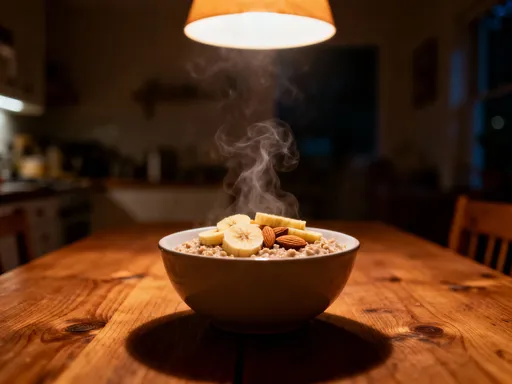
Dinner timing is especially crucial for sleep. Ideally, the last full meal should be consumed at least 2.5 to 3 hours before bedtime. This allows sufficient time for digestion, lowering core body temperature and reducing the likelihood of acid reflux or discomfort during sleep. For those who feel hungry closer to bedtime, a small, easily digestible snack 60 to 90 minutes before sleep can be helpful. Options like a banana with almond butter, a small bowl of oatmeal, or a handful of walnuts provide gentle carbohydrates and sleep-supportive nutrients without overloading the stomach. The key is to avoid large, heavy, or spicy meals in the evening, which can keep the digestive system active when it should be slowing down.
Macronutrient balance also plays a vital role. Carbohydrates, particularly complex ones like oats, sweet potatoes, or brown rice, increase insulin sensitivity and help tryptophan enter the brain more efficiently. Protein sources such as turkey, eggs, Greek yogurt, or legumes supply the amino acids needed for neurotransmitter synthesis. Healthy fats from avocados, nuts, or olive oil support hormone regulation and satiety, preventing midnight hunger pangs. A typical dinner that supports sleep might include grilled salmon (protein and omega-3s), quinoa (complex carb), and steamed broccoli (fiber and micronutrients). This combination provides the building blocks for relaxation without causing energy spikes or digestive strain.
For individuals with non-traditional schedules—such as shift workers or parents of young children—flexibility is essential. The goal is not rigid adherence but consistency within one’s reality. A night-shift worker might eat their “dinner” before starting work and a lighter meal afterward, mimicking the body’s natural rhythm as closely as possible. Busy parents can prepare components in advance—cooking grains or proteins in batches—so that assembling a balanced meal takes minutes. The focus should be on progress, not perfection. Over time, these small choices accumulate, training the body to expect and prepare for rest through predictable nourishment.
Foods That Help You Wind Down — And What to Avoid
Certain foods have earned recognition for their natural sleep-supportive properties. Tart cherries, for example, are one of the few dietary sources of melatonin. Studies have shown that drinking tart cherry juice can modestly increase melatonin levels and improve sleep duration and quality in adults with mild insomnia. Oats are another valuable option—they contain melatonin and are rich in complex carbohydrates, which promote insulin release and facilitate tryptophan uptake in the brain. Nuts, particularly walnuts and almonds, offer both melatonin and magnesium, making them ideal evening snacks. Similarly, dairy products like warm milk have long been associated with sleep, partly due to their tryptophan content and comforting ritual, though their effectiveness varies by individual.
Other beneficial foods include bananas, which provide potassium and magnesium—minerals that help relax muscles—and kiwi, which has been studied for its potential to improve sleep onset and efficiency. In one clinical trial, participants who ate two kiwis one hour before bed reported falling asleep faster and sleeping more soundly over a four-week period. While the exact mechanism is not fully understood, researchers believe antioxidants and serotonin-boosting compounds in kiwi may play a role. Herbal infusions like chamomile or passionflower tea are also widely used for their calming effects, though they should be consumed without added sugar to avoid counterproductive spikes.
Just as important as what to include is what to limit or avoid. Caffeine, found in coffee, tea, chocolate, and some medications, is a well-known stimulant that can remain active in the body for up to 8 hours. Consuming caffeine after 2 p.m. may interfere with sleep for sensitive individuals. Alcohol, while often perceived as relaxing, disrupts sleep architecture by suppressing REM sleep and increasing nighttime awakenings. Even one drink can reduce sleep quality, especially in the second half of the night. Processed sugars and refined carbohydrates—such as white bread, pastries, or sugary cereals—cause rapid blood sugar fluctuations that can lead to nocturnal wakefulness. Heavy, greasy, or spicy foods are also best avoided in the evening, as they can cause indigestion or heartburn, making it difficult to fall or stay asleep.
Identifying personal food triggers can be done through simple tracking. Keeping a brief journal of meals, snacks, and sleep quality for a week or two can reveal patterns—such as difficulty sleeping after eating pizza or improved rest after a balanced dinner. This self-awareness allows for personalized adjustments without unnecessary restrictions. The goal is not elimination but mindful inclusion, choosing foods that support both daytime energy and nighttime calm.
Hydration and Sleep — Finding the Balance
Water is essential for nearly every bodily function, including temperature regulation, digestion, and cellular repair—all of which influence sleep. However, hydration timing matters. Drinking large amounts of fluid in the evening, especially within 90 minutes of bedtime, can lead to nocturia, or frequent nighttime urination, which fragments sleep. This is particularly common among older adults but can affect anyone who consumes excess liquids late in the day. The challenge is to stay adequately hydrated without disrupting rest.
A balanced approach involves front-loading fluid intake earlier in the day. Most adults need about 8 to 10 cups of water daily, depending on activity level, climate, and body size. Spreading this intake evenly from morning through mid-afternoon helps maintain hydration without overloading the kidneys at night. Monitoring urine color—a pale yellow indicates proper hydration—can serve as a simple guide. By late afternoon, it’s wise to begin tapering fluid consumption, especially if you’re prone to nighttime bathroom trips.
Evening beverages should be chosen carefully. Herbal teas such as chamomile, lemon balm, or valerian root can promote relaxation without the diuretic effect of caffeine. These infusions contribute to daily fluid needs while supporting the wind-down process. Warm water with lemon or a dash of honey may also be soothing for some, though sweetened versions should be avoided. It’s also important to recognize that dehydration, though less obvious, can impair sleep. Even mild dehydration can lead to dry mouth, nasal congestion, or muscle cramps—subtle disruptions that may not be immediately linked to fluid intake but can affect sleep continuity.
Finding the right balance means listening to your body’s signals and adjusting based on experience. If you wake up thirsty, consider sipping a small amount of water before bed. If you wake to urinate frequently, try reducing evening intake. Small, intentional choices create a hydration rhythm that supports both health and rest.
Meal Prep and Mindset — Making It Stick
One of the biggest obstacles to a sleep-supportive diet is the perception that it requires excessive time or effort. In reality, small, strategic habits can make a significant difference. Meal prep doesn’t have to mean cooking elaborate meals every Sunday. Simple steps—like washing and chopping vegetables, cooking a batch of quinoa, or portioning out nuts and seeds—can save time during busy weekdays. Having healthy components ready makes it easier to assemble balanced meals, even on hectic evenings. For parents or caregivers, involving family members in simple prep tasks can turn cooking into a shared, calming ritual rather than a chore.
Mindset also plays a critical role. Eating in a rushed, distracted state—while multitasking or in front of a screen—can impair digestion and increase stress hormones, both of which affect sleep readiness. Creating a calm eating environment—turning off devices, sitting at a table, chewing slowly—signals the body that it’s safe to digest. This parasympathetic state supports nutrient absorption and helps transition from daytime activity to evening rest. Even the act of lighting a candle or playing soft music during dinner can become a cue that it’s time to slow down.
Common challenges like cravings, social events, or time constraints are best addressed with flexibility and planning. Cravings for sweets or salty snacks often stem from blood sugar imbalances or dehydration. Addressing these root causes—by eating balanced meals and staying hydrated—can reduce their intensity. When social dining is unavoidable, choosing grilled proteins, vegetables, and whole grains over fried or sugary options can minimize disruption. The goal is not strict avoidance but thoughtful inclusion, allowing for enjoyment without derailing progress.
Behavioral cues can reinforce new habits. For example, making dinner the first part of a wind-down routine—followed by a walk, tea, or reading—helps the body associate eating with relaxation rather than stimulation. Over time, this consistency builds a natural rhythm, reducing the mental effort required to make healthy choices. Small wins accumulate, creating lasting change not through willpower, but through design.
When to Seek Help — Knowing the Limits of Diet
While diet is a powerful tool for improving sleep, it is not a cure-all. Some sleep difficulties stem from medical conditions that require professional evaluation. Sleep apnea, for example, involves repeated breathing interruptions during sleep and often presents with loud snoring, gasping, or daytime fatigue despite adequate time in bed. Restless legs syndrome causes uncomfortable sensations in the legs and an urge to move them, particularly at night. Anxiety, depression, chronic pain, or hormonal imbalances such as thyroid disorders can also significantly disrupt sleep. In these cases, dietary changes may help support overall health but should not replace medical diagnosis and treatment.
It’s important to recognize warning signs that go beyond lifestyle factors. If you consistently struggle to stay asleep, feel unrefreshed after a full night’s rest, or experience excessive daytime sleepiness, it’s time to consult a healthcare provider. They may recommend a sleep study, blood tests, or other assessments to identify underlying causes. Diet can complement these interventions—improving energy, mood, and resilience—but it should be part of a broader care plan, not a substitute.
There is no shame in seeking help. Sleep is a vital pillar of health, influencing everything from immune function to emotional well-being. Addressing it with both self-care and professional guidance ensures the most effective outcome. For many, the combination of dietary improvements and medical support leads to the best results—better rest, clearer thinking, and greater daily vitality.
Improving sleep through diet isn’t about perfection—it’s about progress. By treating food as a tool for balance, not just energy, you create a daily rhythm that naturally leads to calmer nights. This system isn’t flashy, but it’s sustainable, grounded in science, and within anyone’s reach. When you feed your body right, rest follows.