This Is What Paradise Feels Like – My Raw Moments on Koh Lipe
You know that dreamy beach scene you’ve seen in travel videos? Waves lapping at powdery white sand, water so clear you can count the fish below, and silence broken only by the breeze? I found it — not in a studio, but on a tiny island in southern Thailand called Koh Lipe. It’s not just beautiful; it’s alive. And let me tell you, stepping onto its shores feels less like arriving at a destination and more like returning to a part of yourself you didn’t know was missing. This isn’t a place you simply visit — you feel it. The air hums with stillness, the ocean breathes with rhythm, and time folds into itself. In a world that never stops moving, Koh Lipe offers something rare: authenticity, peace, and the quiet joy of being truly present.
First Impressions: Arriving on a Slice of Untouched Nature
The journey to Koh Lipe begins with a sense of anticipation that builds with every mile traveled. From the bustling streets of southern Thailand, travelers make their way to Pak Bara Pier in Satun Province, where longtail boats and speedboats wait to carry guests across the Andaman Sea. The ride itself is part of the experience — wind in your hair, salt on your skin, and the endless blue stretching in every direction. As the island emerges on the horizon, it looks like a mirage: a cluster of green hills fringed with bone-white beaches and turquoise water so vivid it seems lit from within.
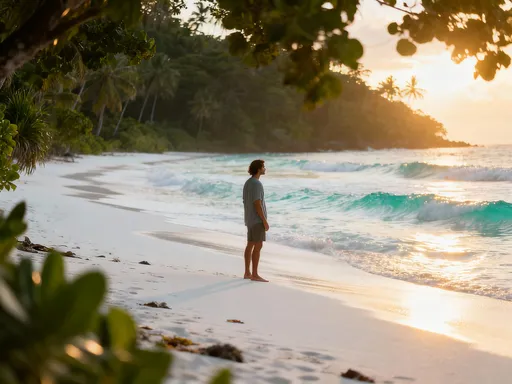
Stepping onto Sunrise Beach, the first thing you notice is the silence. Not absolute silence, but the absence of engines, horns, and crowds. Instead, there’s the soft crash of waves, the rustle of palm fronds, and the occasional call of a seabird overhead. The sand is fine and warm beneath bare feet, almost powdery, and the water shimmers in layers of aquamarine and sapphire. Unlike more developed islands such as Phuket or Pattaya, Koh Lipe has no cars, no traffic lights, and no high-rise hotels blocking the skyline. What you see is what remains — nature in command.
This deliberate lack of development is not accidental. Koh Lipe is part of the Tarutao National Marine Park, a protected area established in 1974 to preserve the region’s unique biodiversity. As a result, construction is tightly regulated, and large-scale resorts are prohibited. The island’s infrastructure is minimal by design, with narrow walking paths connecting its three main beaches: Sunrise, Pattaya, and Sunset. Electricity is limited, especially during the low season, and many accommodations rely on solar power or generators. These constraints, often seen as inconveniences elsewhere, are part of what makes Koh Lipe special. They force a slower pace, a deeper awareness, and a realignment with natural rhythms.
For travelers accustomed to the conveniences of city life, this shift can be disorienting at first. But within hours, most visitors begin to relax into the island’s tempo. There’s no rush, no agenda, and no need to ‘see everything.’ Instead, the focus turns inward — to the feeling of sun on skin, the taste of fresh coconut water, the joy of walking without shoes for days on end. Choosing Koh Lipe over more commercial destinations isn’t just about aesthetics; it’s a conscious decision to prioritize experience over convenience, presence over productivity.
Nature as the Main Attraction: Exploring the Island’s Wild Side
On Koh Lipe, nature isn’t a backdrop — it’s the main event. The island spans just over two square kilometers, yet within that small footprint lies an astonishing variety of landscapes. Sunrise Beach, where most visitors arrive, is a long crescent of soft sand backed by swaying palms and low-lying vegetation. It’s ideal for morning walks, quiet reading, or simply sitting and watching the tide roll in. As the name suggests, it’s also one of the best spots to greet the day, with the sun rising gently over the water, painting the sky in soft pinks and golds.
A short walk south brings you to Pattaya Beach, a quieter stretch often favored by those seeking solitude. Unlike its namesake on the mainland — a well-known urban beach resort — this Pattaya Beach is peaceful and unspoiled. The water here is calm, making it perfect for swimming, especially for families with young children. At low tide, sandbars emerge, creating natural pools where small fish dart between your toes. The coral reefs just offshore are visible even from the surface, their intricate shapes and colors hinting at the vibrant life beneath.
But it’s Sunset Beach that captures the island’s soul. True to its name, this western-facing shore offers some of the most breathtaking dusk views in southern Thailand. As the sun dips below the horizon, the sky ignites in fiery oranges and deep purples, reflecting off the water like liquid flame. Locals and visitors alike gather here each evening, not in crowds, but in small clusters — couples, families, solo travelers — all pausing to witness the daily spectacle. There are no loud music systems or staged performances, just the natural beauty of light and water in perfect harmony.
For those eager to explore beyond the beaches, a short hiking trail leads up to a viewpoint near the island’s center. The climb is gentle, taking only about ten minutes, but the reward is immense: a panoramic vista of Koh Lipe and the surrounding archipelago. From this vantage point, you can see the island’s lush interior, dotted with coconut palms and native shrubs, and the endless expanse of the Andaman Sea dotted with small, uninhabited islets. It’s a humbling perspective — a reminder of how small we are, and how vast and beautiful the natural world remains when left undisturbed.
The Pulse of the Island: Life Without Rush
Life on Koh Lipe moves to a different rhythm — one dictated not by clocks or calendars, but by the sun, the tides, and the needs of the community. There are no traffic jams, no rush hours, and no frantic schedules. Instead, the day unfolds naturally: mornings begin with the sound of waves and the scent of grilled fish from beachside kitchens. By midday, the heat encourages siestas under shaded bungalows or hammocks strung between trees. Evenings bring a gentle resurgence of activity — barefoot strolls, candlelit dinners, and quiet conversations under star-filled skies.
The central walking street, lined with small shops, cafes, and guesthouses, is the island’s social heart. Here, locals sell handmade crafts, fresh fruit, and cold drinks from open-air stalls. Children play barefoot near the shore, chasing crabs and building sandcastles. Fishermen mend their nets on the beach, preparing for the next day’s catch. There’s a deep sense of community, one that includes respectful coexistence with visitors. English is widely spoken, and the people of Koh Lipe are known for their warmth and hospitality, greeting guests with smiles rather than sales pitches.
One of the most striking aspects of island life is the absence of digital distraction. Wi-Fi is spotty at best, and mobile signals are often weak. For some, this might feel like a drawback. But for many, it becomes a gift — an invitation to disconnect from the constant buzz of notifications and reconnect with the present moment. Without the temptation to check emails or scroll through social media, attention turns outward: to the texture of the sand, the pattern of the waves, the laughter of a child playing nearby. This digital minimalism isn’t enforced; it emerges naturally from the environment.
The lack of nightlife further reinforces this slower pace. There are no nightclubs or loud bars. A few beachfront restaurants offer soft music and cold drinks in the evening, but by 10 p.m., the island quiets down. Darkness falls completely, unobscured by streetlights or neon signs, allowing the stars to shine with extraordinary clarity. On clear nights, the Milky Way stretches across the sky like a river of light. This absence of artificial stimulation creates space for reflection, rest, and genuine human connection — qualities often missing in modern life.
Snorkeling Into Another World: A Glimpse Beneath the Surface
While Koh Lipe’s beaches are stunning above water, its true magic lies beneath the surface. Just a short boat ride away lies the Koh Haa archipelago, a group of five small islands renowned for some of the best snorkeling in Thailand. These protected marine sites are home to thriving coral reefs, crystal-clear visibility, and an astonishing diversity of marine life. Trips to Koh Haa are typically organized through local tour operators, with small groups departing early in the morning to make the most of calm seas and strong sunlight.
Slipping into the water at Koh Haa is like entering another world. The first thing you notice is the clarity — you can see dozens of feet down, where coral gardens bloom in vibrant pinks, purples, and oranges. Schools of angelfish, parrotfish, and clownfish weave through the structures, while sea turtles glide gracefully in the distance. On one occasion, I watched in awe as a reef shark — slender and calm — passed within a few meters, its movements smooth and unhurried. There was no fear, only reverence for the quiet power of this ecosystem.
What makes these reefs so resilient is the Thai government’s commitment to conservation. The Tarutao National Marine Park enforces seasonal closures during the monsoon months (typically May to October), allowing coral and fish populations to recover from tourist activity. These closures, while limiting access, have proven effective in preserving biodiversity. Studies have shown that protected areas like Koh Haa have significantly higher coral cover and fish biomass compared to unprotected sites. This balance between access and preservation is a model for sustainable tourism.
For visitors, snorkeling here is both a privilege and a responsibility. Most tour operators provide masks, fins, and flotation vests, and many offer brief educational talks before entering the water. Key guidelines include maintaining a safe distance from marine life, avoiding contact with coral (which can be damaged by even light touch), and never feeding fish. Reef-safe sunscreen is strongly recommended, as chemical sunscreens containing oxybenzone and octinoxate can contribute to coral bleaching. By following these simple rules, travelers help ensure that this underwater paradise remains vibrant for future generations.
Why Less Development Is More: The Quiet Power of Preservation
In an era where many tropical destinations have been transformed into concrete playgrounds for mass tourism, Koh Lipe stands as a quiet rebellion. Its lack of large resorts, paved roads, and commercial infrastructure isn’t a sign of backwardness — it’s a deliberate choice to prioritize preservation over profit. This restraint has allowed the island to retain its ecological integrity, cultural authenticity, and spiritual serenity. While neighboring islands have seen their coastlines lined with hotels and their waters crowded with speedboats, Koh Lipe remains refreshingly unspoiled.
Yet, the pressures of tourism are real. Even with its remote location, the island sees thousands of visitors each year, particularly during the high season (November to April). This influx brings challenges: waste management, freshwater scarcity, and the risk of coral damage from careless snorkelers or anchors. Recognizing these threats, local authorities and community leaders have implemented a range of sustainability initiatives. Plastic bags have been banned on the island, and many shops now offer reusable alternatives. Waste is collected regularly and transported to the mainland for proper disposal. Some guesthouses have installed rainwater harvesting systems and composting toilets to reduce their environmental footprint.
One of the most impactful measures has been the enforcement of strict building codes. No structure is allowed to exceed two stories, ensuring that the natural skyline remains unobstructed. Solar energy is encouraged, and diesel generators are restricted to certain hours to minimize noise and pollution. Additionally, the island participates in national clean-up campaigns, with locals and tourists joining together to remove marine debris from beaches and reefs. These efforts reflect a deep-rooted respect for the environment — not as a resource to be exploited, but as a living system to be protected.
The philosophy behind these actions is simple: long-term value outweighs short-term gain. A pristine beach attracts fewer visitors than a commercialized one, but it creates a deeper, more lasting impression. Travelers who come to Koh Lipe often leave transformed — not just with photographs, but with a renewed sense of wonder and responsibility. By choosing to limit development, the island isn’t rejecting progress; it’s redefining it.
How to Visit Right: Practical Advice for a Meaningful Trip
Visiting Koh Lipe is more than a vacation — it’s an act of stewardship. To preserve its beauty, travelers must approach the island with care and intention. The best time to visit is between November and April, when the weather is dry, the seas are calm, and visibility for snorkeling is at its peak. During these months, daytime temperatures hover around 30°C (86°F), with gentle breezes making the heat comfortable. The low season, while rainy and sometimes inaccessible, offers solitude for those willing to embrace the elements.
Getting to Koh Lipe requires planning. Most travelers arrive via Pak Bara Pier, which is accessible by bus or minivan from Hat Yai or other major towns in southern Thailand. From the pier, speedboat transfers take approximately 1.5 hours. It’s advisable to book tickets in advance during peak season, as boats can fill up quickly. Upon arrival, there are no formal checkpoints — just a warm welcome from local staff who help guide guests to their accommodations.
Accommodation options range from basic fan-cooled bungalows to more comfortable beachfront rooms with private bathrooms. Eco-friendly stays are increasingly popular, with some properties using solar power, composting toilets, and natural building materials. Booking in advance is recommended, especially for larger groups or families. While luxury is limited, the trade-off is authenticity — waking up to the sound of waves instead of air conditioning, and falling asleep to the rhythm of the tides.
Packing wisely enhances the experience. Essentials include lightweight clothing, a wide-brimmed hat, reef-safe sunscreen, insect repellent, and a reusable water bottle. Since plastic is discouraged, bringing a cloth bag for shopping is helpful. Power outlets are limited, so charging devices may require planning. Most importantly, come with an open mind and a willingness to slow down. This isn’t a destination for shopping sprees or party hopping — it’s a place to breathe, reflect, and reconnect.
Respectful behavior is key. Stay on marked trails when hiking, avoid stepping on coral while snorkeling, and never leave trash behind. Support local businesses by eating at family-run restaurants and buying handmade souvenirs. Remember that this island is someone’s home — not just a backdrop for photographs. By traveling mindfully, you become part of the solution, helping to protect Koh Lipe’s magic for years to come.
Beyond the Postcard: Why Koh Lipe Changes You
Koh Lipe is more than a beautiful destination — it’s a mirror. It reflects back the parts of ourselves that we’ve buried beneath routines, responsibilities, and distractions. In its silence, we hear our own thoughts. In its simplicity, we rediscover what matters. Many visitors arrive stressed, overstimulated, and disconnected — only to leave feeling lighter, clearer, and more grounded. This transformation isn’t magical; it’s natural. It happens when we allow ourselves to be still, to observe, and to simply be.
The island teaches subtle but powerful lessons. It shows that happiness doesn’t require luxury — just clean sand, clear water, and a moment of presence. It reminds us that community thrives without excess, and that beauty flourishes when left undisturbed. Most importantly, it challenges the modern myth that more is better. On Koh Lipe, less truly is more — fewer buildings, fewer distractions, fewer rules. What remains is what’s essential: nature, connection, and peace.
For women between 30 and 55 — often juggling careers, families, and personal goals — this kind of retreat is not a luxury, but a necessity. It offers a rare opportunity to step outside the daily grind and reconnect with oneself. There’s no pressure to perform, no roles to play, no expectations to meet. Just the freedom to walk, swim, read, nap, or do nothing at all. In that freedom, healing happens — quietly, gently, and authentically.
As global travel continues to grow, places like Koh Lipe are becoming increasingly rare. They remind us that paradise isn’t a product to be consumed, but a balance to be protected. The choice to visit such places carries responsibility — to tread lightly, to respect local cultures, and to leave no trace. But for those willing to travel with care, the reward is immeasurable: not just a memory, but a transformation. So seek out the quiet corners of the world. Let nature lead. And remember — the most beautiful destinations aren’t just seen. They’re felt, remembered, and protected.