Wheels, Wind, and Wonder: Chasing Angers Hidden Views by Car
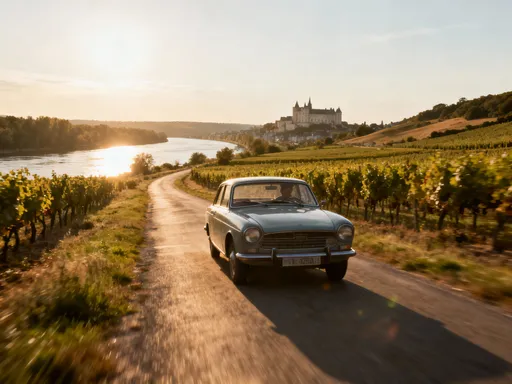
Driving through Angers, France, isn’t just about getting from point A to B—it’s about the magic in between. The way sunlight hits the Maine River at golden hour, the sudden vineyard vistas around quiet bends—these are moments only a slow, self-guided journey reveals. I hit the road with no strict plan, and what unfolded was a deeply personal tour of history, nature, and local charm. This is travel at eye level, raw and real. Away from crowded tour buses and rigid itineraries, the open road offers something rare: space to breathe, time to wonder, and the freedom to discover a destination on your own terms. Angers, nestled in the heart of the Loire Valley, rewards those who take the wheel with quiet beauty, centuries of heritage, and the gentle rhythm of French provincial life.
Why Angers? Uncovering the Underrated Gem
Angers often plays second fiddle to its more famous neighbors like Tours or Nantes, yet this historic city in western France holds its own with quiet confidence. Located along the meandering Maine River, Angers serves as a cultural and historical anchor in the Pays de la Loire region. Home to one of France’s most imposing medieval fortresses—the Château d’Angers—this city brims with architectural grandeur and artistic legacy. Its tapestry includes Roman origins, a pivotal role in the Plantagenet dynasty, and a modern identity rooted in sustainability and green spaces.
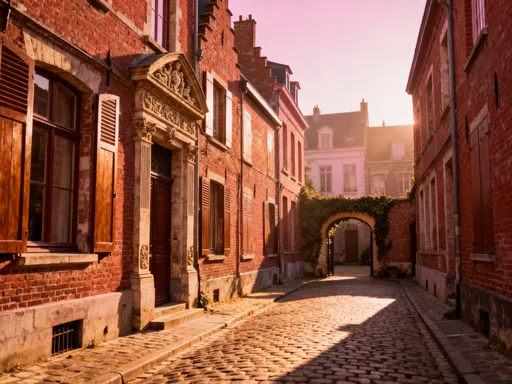
Yet despite its richness, Angers remains refreshingly uncrowded. Unlike the heavily touristed châteaux of the central Loire Valley, Angers attracts fewer international visitors, allowing for a more intimate experience. This relative obscurity is not a drawback but an advantage for thoughtful travelers. It means you can explore its cobbled lanes and riverside paths without jostling for space, savor local flavors without long waits, and engage with residents who appreciate genuine interest in their hometown.
Arriving by car amplifies these benefits. The flexibility of self-driving allows you to shape your visit around personal rhythms rather than fixed schedules. You can linger over morning coffee in a sunlit piazza, pause at a wayside fruit stand, or reroute entirely based on a tip from a friendly local. Roads leading into Angers from surrounding villages offer scenic preludes to the city itself—rolling hills dotted with apple orchards, vineyards climbing gentle slopes, and stone farmhouses that seem frozen in time. With a car, the journey becomes part of the destination, transforming Angers from a stopover into a story unfolding mile by mile.
Rolling Into Town: First Impressions from the Driver’s Seat
The approach to Angers sets the tone for what lies ahead. Whether you enter from the west along the Loire River corridor or follow the Route des Vins from Savennières, the landscape gradually shifts from open countryside to a harmonious blend of urban and natural elements. The city reveals itself in layers—first the green canopy of parks, then the slate roofs of old buildings, and finally, rising above all, the dramatic silhouette of the Château d’Angers. Its 17 imposing towers, originally built as part of a defensive fortress in the 13th century, stand sentinel over the city, visible from miles away.
Driving gives you the rare privilege of witnessing this unfolding transition at your own pace. Unlike train arrivals, which deliver you abruptly to a central station, a car allows for a gradual immersion. You might take the D362 from the north, where elevated roads provide sweeping views of the Maine River winding through town. Or you might come from the south via Saint-Aubin, where the city appears framed by vine-covered hills. These vantage points offer not just photographs but emotional preparation—a sense of anticipation as you draw closer.
What’s more, driving lets you absorb the rhythm of daily life before stepping into tourist mode. You’ll notice cyclists navigating roundabouts, boulangeries opening their shutters, and locals walking dogs along tree-lined avenues. This slow integration helps you connect with Angers not as a postcard image but as a living, breathing community. The city doesn’t feel staged; it feels authentic. And that authenticity deepens when you park and begin exploring on foot, carrying with you the context of how the city fits into its broader landscape.
The Freedom of the Open Road: Why Self-Driving Beats Group Tours
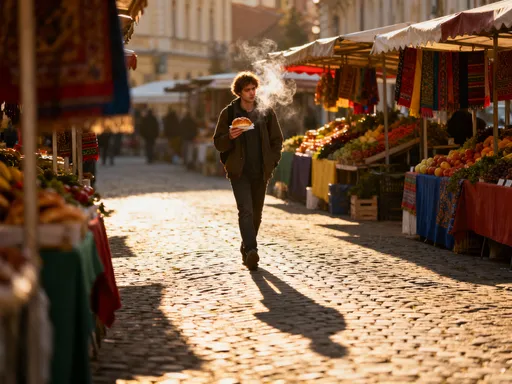
While guided tours offer convenience, they often sacrifice spontaneity—the very ingredient that makes travel meaningful. In rural France, where beauty hides in unexpected corners, being behind the wheel transforms you from a passive observer into an active explorer. Self-driving allows real-time decision-making: spotting a sun-drenched vineyard and pulling over to capture the light, noticing a village market setup on a town square, or following a narrow lane that promises a riverside view.
Group tours, by contrast, operate on strict timetables. You arrive at attractions when everyone else does, move through them quickly, and depart whether you’re ready or not. There’s little room for deviation, even if a local artisan invites you into their workshop or a farmer offers a taste of freshly pressed cider. With a rental car, however, you reclaim control. You decide when to leave, where to linger, and how deeply to engage. This autonomy is especially valuable in a region like Anjou, where charm lies not just in major landmarks but in the spaces between them.
Consider the simple pleasure of stopping at a roadside produce stand. A handwritten sign reads “Fraises – 4€/kg,” and a basket sits unattended with a tin for payment. You pull over, select a carton of strawberries still warm from the sun, and continue on your way. These small, unscripted moments define memorable travel. They foster connection—with the land, with local customs, and with the quiet dignity of everyday French life. Driving enables these encounters, turning a standard itinerary into a personalized narrative shaped by curiosity and presence.
Hidden Angles: Best Scenic Stops Only Drivers Can Reach
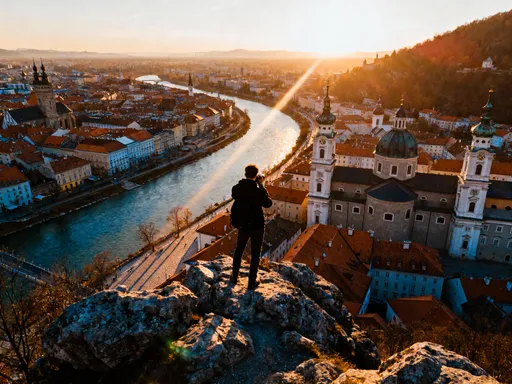
Some of Angers’ most breathtaking views are inaccessible by public transport or organized tour. These hidden angles reward drivers willing to venture slightly off the beaten path. One such gem is the overlook along the Boucle du Lac de Maine, a scenic loop south of the city center. A quiet pull-off offers a panoramic vista of Angers bathed in morning light, with the river curving like a silver ribbon beneath the château’s turrets. It’s an ideal spot for photography, meditation, or simply sipping coffee while watching the city wake up.
Another rewarding detour lies in the countryside near Saint-Aubin-d’Auvergne, a pastoral hamlet just a 20-minute drive from downtown. Narrow country lanes wind through fields of lavender and wheat, passing stone cottages with flower boxes spilling over with geraniums. The pace slows here, and the air carries the scent of hay and blooming hawthorn. Occasionally, a farmer waves from a tractor, or a cat stretches lazily on a garden wall. These snapshots of rural tranquility offer a counterpoint to urban exploration and remind travelers of France’s deep agrarian roots.
For those interested in unique geological and historical features, driving provides access to troglodyte dwellings—homes carved into limestone cliffs—that dot the region’s hillsides. Though less famous than those in Saumur, several are open for visitation and offer fascinating insight into sustainable living long before the term existed. Similarly, lesser-known châteaux like Château de Brissac (a short drive east) or the romantic ruins of Château de Baugé allow for quieter, more reflective visits than their busier counterparts. With a car, you can plan a full day of discovery without feeling rushed or confined to main roads.
Navigating Like a Local: Practical Tips for Stress-Free Driving
Driving in western France is generally straightforward, but understanding local road customs ensures a smoother experience. Road conditions are excellent on major routes, with well-maintained surfaces and clear signage in French. Secondary roads may be narrower and occasionally unpaved in remote areas, but they are safe and suitable for standard rental vehicles. Speed limits are strictly enforced, particularly near villages, so pay close attention to posted signs—typically 50 km/h in towns, 80–90 km/h on rural roads, and 130 km/h on autoroutes when conditions permit.
Roundabouts, or “ronds-points,” are common and operate on a simple rule: yield to traffic already in the circle, which has the right of way. Though initially intimidating, they quickly become second nature. Always indicate your exit to communicate your intentions clearly. Fuel stations are plentiful, especially along main highways, and many accept international credit cards. Diesel remains popular in France, so confirm your rental car’s fuel type before refueling.
Parking in Angers is manageable with some planning. The city center offers several covered garages, such as those near the train station or Place du Ralliement, which provide security and convenience. For longer stays, free parking lots are available near the Saint-Aubin district and along the riverbanks, from which you can walk or take a short bus ride into town. Rental car agencies in Angers are reliable, with options ranging from compact city cars to larger models for family travel. Most include GPS navigation, but downloading offline maps via apps like Maps.me or Google Maps is advisable for areas with limited signal.
Beyond the Castle: Experiencing Angers’ Living Culture
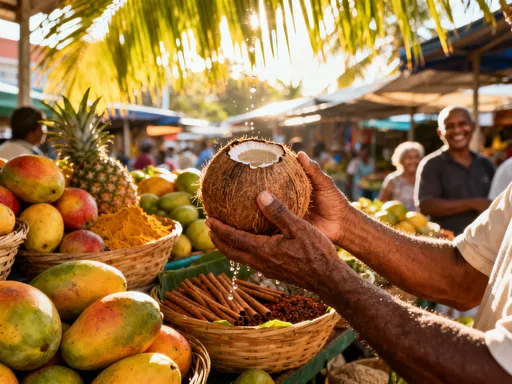
While the Château d’Angers and its famed Apocalypse Tapestry are must-sees, the soul of the city lives in its everyday rituals. Driving enables deeper cultural immersion by allowing visits to neighborhood markets, family-run wineries, and evening strolls through residential quarters often missed by tourists. Each Saturday morning, the market at Boulevard Carnot bursts with color and aroma—pyramids of ripe peaches, wheels of goat cheese dusted with ash, baskets of wild mushrooms, and jars of golden honey harvested from local hives.
A short drive south leads to the Coteaux du Layon, a renowned wine-producing area celebrated for its sweet white wines made from Chenin Blanc grapes. Wineries here welcome visitors by appointment or during open-house weekends. Tastings often take place in centuries-old cellars, where vintners share stories of harvest challenges and family traditions. One standout is Sélection de Grains Nobles, a luscious dessert wine produced only in exceptional vintages when grapes are affected by noble rot, concentrating their sugars. Sipping this amber nectar in a sunlit courtyard, paired with a slice of tarte tatin, is a sensory highlight few guided tours accommodate.
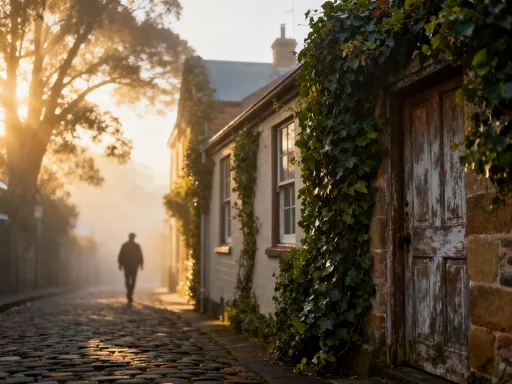
Evenings in Angers unfold with a gentle elegance. As daylight fades, the city softens—streetlamps cast warm halos on cobbled streets, and café terraces fill with locals enjoying apéritifs. A slow drive through the historic center reveals the medieval quarter in a new light: ancient stone walls glow under subtle illumination, and the silhouette of Saint-Maurice Cathedral rises quietly against the dusk. There’s a meditative quality to these twilight moments, a sense of intimacy that only comes when you’re free to move at your own pace, guided not by a schedule but by mood and memory.
The Road Ahead: Why Slow Travel Leaves the Deepest Impressions
Traveling by car through Angers is more than a logistical choice—it’s a philosophy. It embraces slowness, presence, and personal connection. In an age of checklist tourism and rapid transit, driving reminds us that the journey shapes the experience as much as the destination. Every mile covered deepens understanding, builds intuition, and fosters a sense of ownership over one’s adventure. The views, the smells, the chance encounters—they accumulate into a richer, more layered impression of place.
Angers, with its blend of history, nature, and quiet sophistication, is ideally suited to this approach. It resists the urge to dazzle and instead invites contemplation. Behind the wheel, you’re not just seeing Angers—you’re feeling it. You notice how the light changes on the river at different hours, how village names appear in weathered stone on roadside markers, how a simple bakery can become a landmark through repeated visits. These details form a narrative that belongs entirely to you.
Mindful travel isn’t about ticking off attractions but about cultivating depth over breadth. It’s choosing quality over quantity, connection over convenience. And in doing so, you discover that Angers isn’t merely a dot on a map—it’s a feeling earned through patience, curiosity, and the simple act of turning the key in the ignition. So take the road less crowded. Let the wheels carry you not just forward, but inward. Because sometimes, the most unforgettable journeys are the ones you drive yourself.