Walking Flavors: How Pécs Unfolds One Bite at a Time
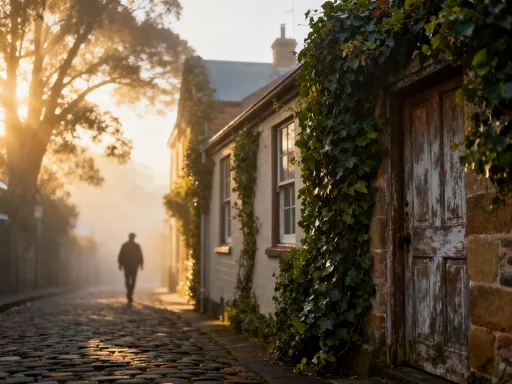
You know that feeling when a city surprises you not just with its streets, but with its flavors? That’s Pécs. I hit the pavement with no plan, just good shoes and curiosity. What I found wasn’t just quiet cobblestone lanes and sunlit courtyards—it was food with soul. Every step led to a market stall, a hidden café, or a local sharing stories over warm bread. In Pécs, walking isn’t just how you get around—it’s how you taste the place. And trust me, you’ve gotta try this.
Why Pécs? The Charm of a Southern Hungarian Gem
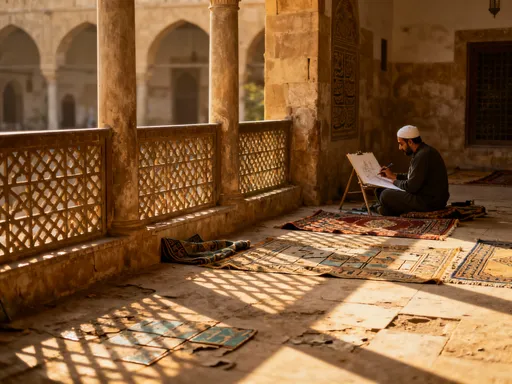
Situated in the sun-kissed south of Hungary, near the border with Croatia, Pécs is a city that breathes history and warmth in equal measure. Often overlooked by travelers rushing to Budapest or Lake Balaton, this cultural jewel offers a quieter, more intimate experience—one that unfolds gently with each step. As a UNESCO World Heritage site, its Early Christian Necropolis tells stories carved in stone from the 4th century, while Ottoman-era mosques, like the historic Gazi Kasim Pasha Mosque, stand as quiet witnesses to centuries of layered heritage. The city’s architecture alone feels like a dialogue between Central Europe and the Mediterranean, with pastel-colored Baroque buildings, shaded courtyards, and vine-covered facades that invite lingering.
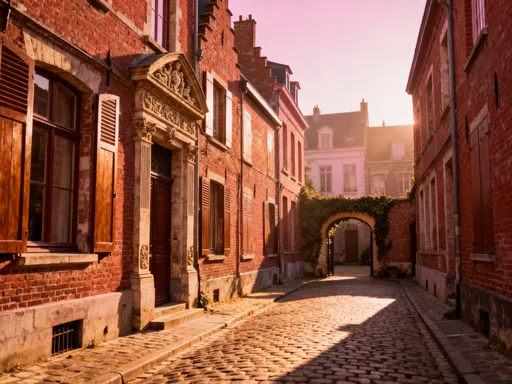
But what truly sets Pécs apart is its rhythm. Life here moves at a pace that allows you to notice things—the scent of baking bread drifting from an open window, the hum of conversation in a sidewalk café, the way sunlight slants across cobbled alleys in the late afternoon. This is a city built for walking, with a compact old town that’s largely pedestrian-only and a network of tree-lined streets that connect cultural landmarks with local life. There are no sprawling boulevards or chaotic traffic circles—just a human-scale urban design that rewards exploration on foot.
Its location in Baranya County, a region known for fertile soil and mild climate, also shapes its identity. Nestled between rolling hills and river valleys, Pécs has long been a crossroads of trade, agriculture, and culinary tradition. The legacy of Ottoman rule introduced spices like paprika and techniques for slow-cooked stews, while Central European baking traditions brought delicate pastries and hearty breads. This fusion, combined with fresh local ingredients, gives Pécs a cuisine that is both comforting and complex. Walking through the city becomes more than a way to see sights—it becomes a way to follow the scent of history, one meal at a time.
Lace Up: Designing Your Walking Route Through Flavor
To truly experience Pécs, you need a route that balances beauty, culture, and taste. Begin in the heart of the city at Széchenyi tér, the main square that pulses with life from morning until evening. Here, the neoclassical Bishop’s Palace stands in quiet dignity, its columns framing views of the surrounding arcades where cafés serve strong Hungarian coffee in porcelain cups. This is the perfect starting point—not just for orientation, but for that first bite of the day. Just off the square, small kiosks begin to open, offering warm pastries and fresh juice, the kind of simple pleasures locals rely on to start their mornings.
From Széchenyi tér, follow the gentle incline of Széchenyi Street toward the Zsolnay Cultural Quarter, a revitalized industrial complex that now houses galleries, design shops, and intimate performance spaces. The Zsolnay name is legendary in Hungary, known for its iridescent ceramic tiles that once adorned buildings across Europe. Today, the quarter is a hub of creativity, where art and craft intersect with modern dining. Stop at one of the courtyard cafés for a mid-morning snack—perhaps a slice of cheese-filled lepény or a cup of elderflower lemonade made with local blossoms.
Continue your walk into the Csontváry Art District, named after the visionary painter Tivadar Csontváry Kosztka, whose dramatic, almost mystical landscapes capture the soul of Hungary. The streets here are narrower, quieter, lined with colorful murals and small studios where artists welcome visitors. This is where you begin to notice the subtle shift in culinary offerings—less commercial, more personal. A grandmother might be selling homemade jam from her front gate; a pop-up stand could be grilling fresh sausages over charcoal. These are the unplanned discoveries that only walking allows.
Plan your route to loop back toward the city center in the late afternoon, when the light softens and the air fills with the aroma of dinner being prepared. End near the Covered Market or the open-air stands along Kossuth Street, where vendors pack up—or, if it’s Saturday morning, where they’re at their busiest. The key is timing: walking early gives you access to fresh pastries and lively markets; walking in the evening reveals the city’s slower, more reflective side. Either way, let your hunger guide your turns. In Pécs, the best meals are rarely found on billboards—they’re found by following your nose.
Morning Bites: Starting the Day Like a Local
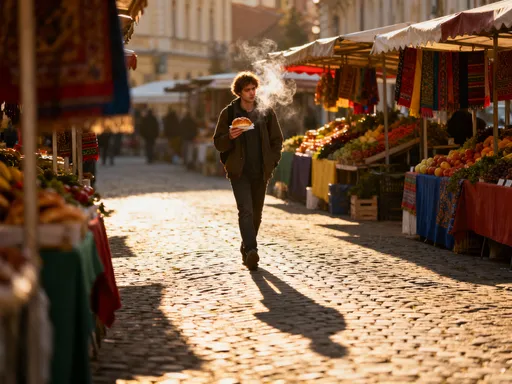
There’s a certain magic in beginning your day the way locals do—with warmth in your hands and sweetness on your tongue. In Pécs, mornings are not rushed. People take time to stand at small counters, sip coffee from thick mugs, and unwrap paper cones filled with freshly baked treats. One of the most beloved traditions is the *kürtőskalács*, a spiral of sweet dough baked over an open flame until golden and crisp. Often dusted with cinnamon sugar, walnut, or even cocoa, this chimney cake is more than a snack—it’s a ritual. You’ll find it at small stands near the market or tucked into bakery windows, still warm from the oven.
Equally iconic is *lepény*, a traditional Hungarian flatbread baked in wood-fired ovens. Unlike the dense breads of northern Europe, lepény is light, slightly chewy, and often brushed with sour cream before baking for extra richness. Some versions are stuffed with cheese, while others are served plain, perfect for tearing apart and sharing. Families often buy it fresh each morning, carrying it home in cloth bags. For visitors, trying lepény at a local bakery like Pécsi Pék or a street-side oven stall offers a direct link to daily life in the city.
Coffee culture in Pécs is understated but essential. Unlike the grand coffeehouses of Vienna or Budapest, here the focus is on simplicity and connection. Small cafés like Mokka or Kávéház offer excellent espresso and homemade cakes—think poppy seed rolls in the fall, cheese-filled strudels year-round, and delicate sponge cakes layered with apricot jam. These are not tourist traps with inflated prices and bland flavors. They are neighborhood institutions, where the barista knows your order and the chairs are just a little worn from years of use.
Seasonality plays a quiet but important role in morning eating. In spring, you might find wild garlic folded into scrambled eggs at a garden café. In summer, fresh berries appear in tarts and pancakes. Autumn brings nut-filled pastries and honey-sweetened yogurt, while winter offers spiced breads and hot mulled cider. The rhythm of the year shapes the menu, not marketing trends. By aligning your walk with the local breakfast hour—between 7:30 and 9:30 a.m.—you tap into this authenticity, joining not just a meal, but a way of living that values slowness, quality, and community.
Market Magic: The Heartbeat of Pécs’ Food Scene
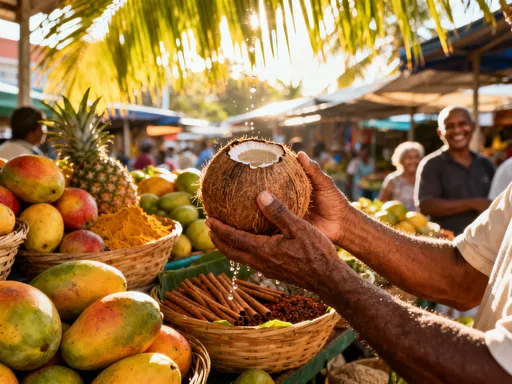
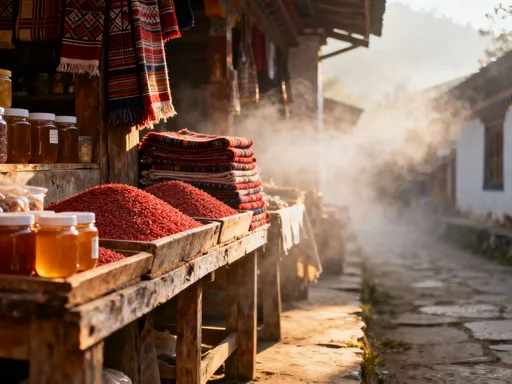
If there’s one place where the soul of Pécs’ cuisine beats the loudest, it’s the Central Market Hall and the surrounding open-air stands. More than just a place to buy food, this is where generations gather, where recipes are passed down through conversation, and where the true flavors of Baranya County come to life. Open daily but at its most vibrant on Saturday mornings, the market is a sensory celebration—colorful piles of peppers, baskets of wild mushrooms, wheels of aged cheese, and jars of golden honey harvested from hillside hives.
The scent of smoked meat hangs in the air, drawing you toward the butcher stalls where *felwurst*—a spicy, coarsely ground smoked sausage—is sliced paper-thin and served on fresh bread with mustard. This is not the kind of sausage you find in a supermarket. It’s made using traditional methods, often in small family-run smokehouses in nearby villages. The spice blend, heavy on paprika and garlic, speaks to centuries of Ottoman influence, while the slow smoking process reflects the patience of rural craftsmanship.
Equally essential is *paprika hagymás*, a rustic spread made from roasted red peppers, onions, and plenty of paprika. It’s served warm or cold, spread on bread, or used as a side to grilled meats. Many vendors make it in large batches, simmering it for hours in copper pots. Tasting it at the market—still warm, with a smoky depth and gentle heat—is a far cry from the jarred versions sold elsewhere. Pair it with a slice of *trappista*, a mild, creamy cheese with a red wax coating, and you have a simple but unforgettable bite.
Don’t overlook the produce. The region’s fertile soil yields some of Hungary’s best tomatoes, peppers, and squash. In summer, you’ll find heirloom varieties in shades of purple and gold, sold by farmers who still use horse-drawn carts to bring their harvest to town. Wild herbs like lovage and summer savory grow in abundance and are often bundled fresh for sale. Even the dairy is exceptional—thick sour cream, fresh curd cheese, and butter churned daily.
What makes the market special, though, is not just the food—it’s the people. Vendors are proud of their products and happy to explain how they’re made. A woman selling honey might tell you about the wild thyme her bees feed on; a cheese maker might describe the morning milking ritual. These conversations add meaning to every purchase. And for the walking traveler, the market is both a destination and a starting point—a place to fuel up before continuing your journey through the city’s hidden corners.
Hidden Eats: Off-the-Beaten-Path Bites Worth the Detour
Somewhere between the guidebook highlights and the crowded plazas, Pécs reveals its most authentic flavors—in quiet courtyards, behind ivy-covered walls, down alleyways with no signs. These are the places you can only find on foot, where the rhythm of walking slows you down enough to notice a flicker of steam from a kitchen window or the sound of laughter from a hidden garden. They are not listed on every map, and they don’t need to be. Their charm lies in their obscurity, their intimacy, their refusal to perform for tourists.
One such gem is a family-run *csárda* tucked behind the old cathedral. With no formal signage, it’s easy to miss—unless you follow the scent of simmering *pörkölt*, a rich beef stew slow-cooked with onions, tomatoes, and paprika. Served with handmade *nokedli*—small dumplings rolled between the palms—this is comfort food at its finest. The dining room is small, lit by candlelight, with mismatched chairs and walls decorated with vintage photographs. Meals are served by the owner, who often joins guests for a glass of wine, sharing stories of the city’s past.
Another favorite is a garden café set within a restored Baroque house near the university district. Accessed through a narrow passage, it opens into a lush courtyard where lemon trees grow in terracotta pots and wisteria drapes over stone arches. Here, lunch might be grilled lamb skewers seasoned with rosemary and garlic, served with roasted vegetables and a salad of fresh herbs. The menu changes daily, based on what’s available at the market that morning. There’s no Wi-Fi, no loud music—just the sound of birds and the clink of cutlery.
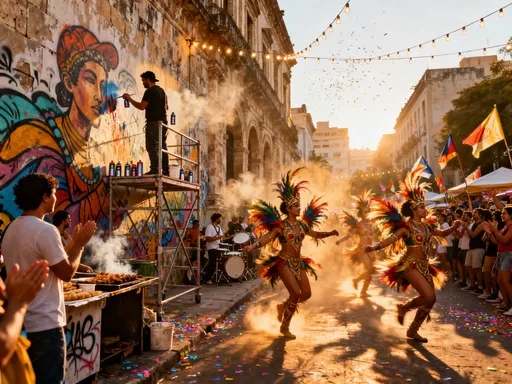
During festivals like the Zsolnay Festival or the Pécs Gourmet Days, pop-up food stands appear in unexpected places—in abandoned courtyards, under railway arches, beside fountains. These temporary kitchens showcase local chefs experimenting with tradition—think duck liver pâté on rye bread with fig jam, or sour cherry soup served cold as a summer appetizer. They are fleeting, spontaneous, and deeply connected to the moment. Walking through the city during these events feels like being let in on a secret—one shared bite at a time.
Taste & Terroir: How Geography Shapes Pécs’ Plate
To understand the food of Pécs, you must look beyond the city limits—to the vineyards that climb the Mecsek hills, the farms that blanket Baranya County, and the ancient trade routes that once brought spices from the south. This is a cuisine shaped by land and history, where every ingredient carries a story. The region’s mild climate and rich, loamy soil make it ideal for growing vegetables, fruits, and grapes. It’s no accident that some of Hungary’s most celebrated wines come from nearby Villány, just 30 kilometers away.
Local wines like *Villányi Franc* (a bold, full-bodied red) and *Kékfrankos* (a lighter, spicy red with notes of cherry and pepper) are staples in Pécs’ wine cellars. Many of these cellars are carved directly into the hillsides, their cool, humid interiors perfect for aging barrels. Wine tastings here are intimate affairs, often hosted by vintners who speak with pride about their family’s vineyards. Pair a glass with a platter of local cheeses and smoked meats, and you have a meal that embodies the region’s terroir.
Paprika, the spice that defines Hungarian cuisine, is grown in abundance in the south. The deep red pods are harvested in late summer, then dried and ground into powder that ranges from sweet to hot. In Pécs, paprika isn’t just a seasoning—it’s a cultural symbol. It appears in stews, spreads, soups, and even desserts. Combined with sour cream, it creates the creamy, tangy sauces that coat dumplings and potatoes. Wild herbs like dill, lovage, and marjoram add brightness, while caraway seeds lend warmth to breads and sausages.
Farming traditions remain strong in the surrounding villages. Many families still grow their own vegetables, raise pigs for winter salami, and preserve fruits in jars. This self-sufficiency has shaped a cuisine that values preservation, seasonality, and minimal waste. Nothing is thrown away—leftover bread becomes *bográcsgulyás*, a rustic soup cooked in a cauldron over fire; vegetable scraps flavor stocks; whey from cheese-making is fed to pigs. These practices aren’t quaint—they’re practical, sustainable, and deeply rooted in respect for the land.
Walk It Off: Why Movement Enhances Flavor
There’s a quiet truth that every walking traveler eventually discovers: movement changes the way you taste. When you walk through a city, your body becomes more attuned to its rhythms. Your breath deepens, your senses sharpen, and your appetite grows—not just for food, but for experience. In Pécs, where distances are manageable and streets are designed for strolling, walking isn’t a means to an end—it’s part of the meal itself.
Consider the moment after a spicy bite of felwurst, when you pause on a sunlit bench to let the heat settle. The slight burn on your tongue is balanced by the coolness of the stone beneath you, the breeze through the trees, the distant chime of church bells. You’re not just tasting—you’re feeling. Or think of the quiet garden café where you sip herbal tea after a long morning of exploring. The chamomile and mint were likely grown nearby, their flavors softened by the afternoon sun. You didn’t just drink tea—you earned it.
Walking also creates space for connection. It slows you down enough to accept an invitation—a grandmother offering a taste of her homemade plum jam, a group of friends waving you over to share a platter of grilled vegetables. These moments don’t happen from a car or a tour bus. They happen because you were present, because you were moving at a pace that allowed for spontaneity.
And perhaps most importantly, walking builds anticipation. When you see a bakery from a distance, smell chimney cake before you reach it, or hear the sizzle of sausages from around the corner, your hunger becomes part of the journey. You’re not just consuming—you’re discovering. Each bite is heightened by the miles you’ve covered, the sights you’ve seen, the stories you’ve collected. In Pécs, where food and movement are so deeply intertwined, the act of walking becomes a form of tasting—one that engages not just the mouth, but the heart, the mind, and the soul.
Conclusion
In Pécs, food and walking are not separate acts—they are parts of the same rhythm. Each step builds appetite, each turn reveals flavor, each meal tells the story of a place shaped by history, land, and community. This is not a city to be seen through a windshield or checked off a list. It is meant to be felt underfoot, smelled in the air, tasted in small bites shared with strangers.
Leave the map behind. Let your curiosity guide you down cobbled lanes, into sunlit courtyards, toward the scent of baking bread or simmering stew. Let your body move at the pace of the city, and let your palate respond to its offerings. In Pécs, the best way to know a place is not by seeing it all—but by tasting it, one step at a time. Let flavor be your compass. Let walking be your welcome. And let the journey be as delicious as the destination.